
Compare ductless mini-split installation costs by system size and zone count, plus personal loans and contractor financing options.
Page last reviewed: October 29, 2026 · By the Home Repair Financing editorial team
A single-zone ductless mini-split can cost a few thousand dollars installed, and a system that covers the whole house can cost several times more. Ductless mini-split financing usually comes from a personal loan, an installer payment plan or a home equity loan, and the right choice depends on how many rooms, or zones, you plan to cover.
This guide explains when a mini-split makes more sense than ducts, what each zone adds to the price and what a good installation includes. It also shows what a mini-split loan could cost each month.
Key Takeaways
You can finance a mini-split with a personal loan, installer financing, a home equity loan or line of credit, or a credit card for a single small zone. Because mini-split jobs range from one room to a whole house, the loan size often decides which option fits.
| Option | Good fit when | Watch out for |
|---|---|---|
| Unsecured personal loan | A multi-zone system and you want a fixed payment without using your home as collateral | Rates depend on your credit and the lender. An origination fee (an upfront charge) may come out of the loan, so you get less than you borrow. |
| Installer or manufacturer financing | The installer offers a true 0% APR or low rate you can pay off on schedule | Deferred-interest plans can charge back interest if you miss the payoff date. Compare the cash price with the financed price. |
| Home equity loan or home equity line of credit (HELOC) | A whole-home system or a mini-split as part of a larger addition or remodel | Your home secures the debt. HELOC rates are often variable, and closing takes longer. |
| Credit card | A single zone you can pay off within a few months | Regular card APRs are high, so a balance you carry for years costs a lot. |
Mini-splits can be installed in stages. If money is tight, you could start with the room you use most and add zones later, though adding a zone later may mean a new outdoor unit if the first one can't support more heads. For a deeper look at small-balance borrowing, see personal loan vs. credit card.
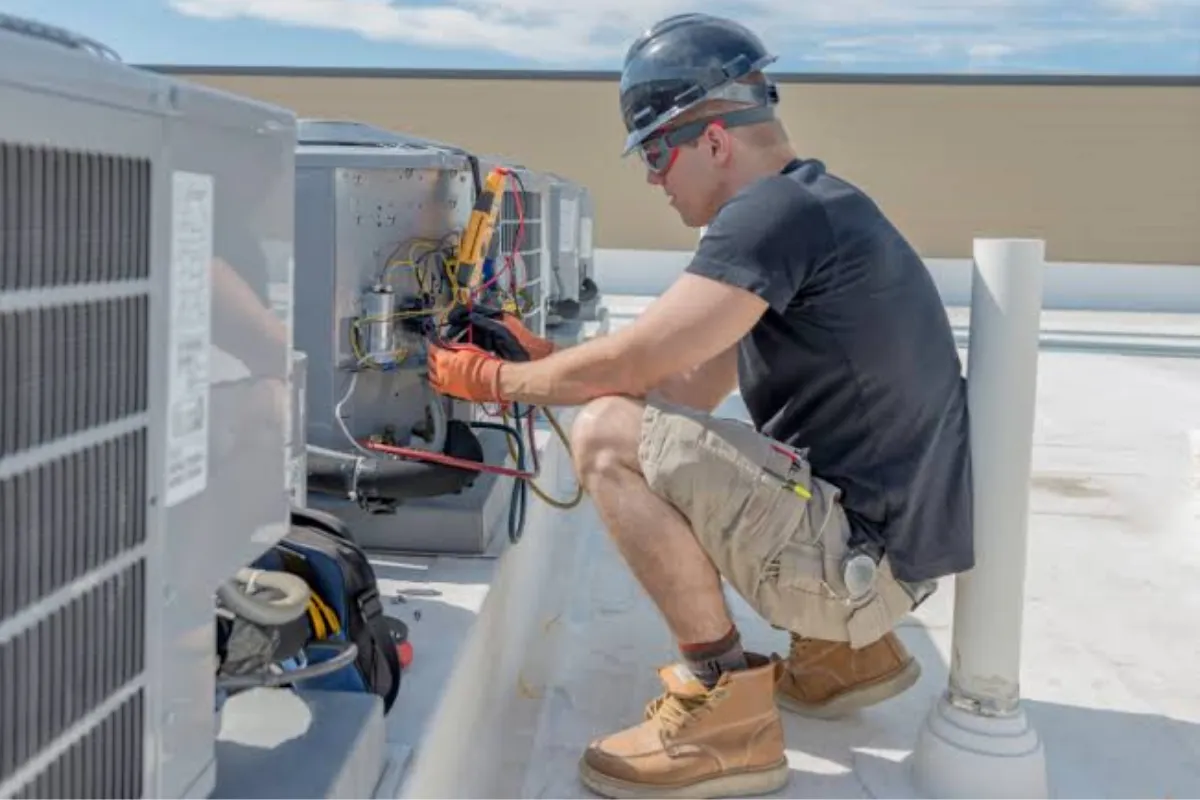
A ductless mini-split is a heat pump with an outdoor unit and one or more indoor units, called heads, mounted on walls or ceilings. Small refrigerant lines connect them, so there are no ducts. Each head heats and cools its own zone, and you set each zone separately.
| Your situation | Why a mini-split may fit |
|---|---|
| No ductwork, such as a home heated by radiators or baseboards | Adds cooling and efficient heat without cutting into walls and ceilings for ducts |
| Room addition, finished attic or garage | Avoids extending ducts that may be hard to run or too small for the extra space |
| Expensive electric baseboard heat | ENERGY STAR says certified mini-splits use up to 60% less energy than standard electric radiators |
| Window AC units | Replaces seasonal window units with a permanent system that heats as well as cools |
| One room that's always too hot or cold | Fixes a problem spot without replacing the whole central system |
Source: ENERGY STAR guidance on ductless heating and cooling.
If your home already has good ducts, a central system is usually the simpler choice for whole-house comfort. Our HVAC financing guide covers central system replacement and dealer offers. For an addition, compare a mini-split quote with the cost of extending ducts. EnergySage says new ductwork can run from about $2,000 in a small new home to more than $10,000 for a full retrofit.
Mini-splits come in cold-climate models too. ENERGY STAR cold-climate units are tested down to 5°F, though a backup heat source still helps in the coldest weather.
The number of zones is the biggest cost factor. Each zone needs its own indoor head, refrigerant line and labor. Cost guides vary a lot, so use these ranges as a starting point and get local quotes.
| System | Bob Vila installed range | PICKHVAC installed range |
|---|---|---|
| Single zone | $2,000 to $8,800 | $2,000 to $6,000 |
| Three zones | $3,400 to $13,400 | $3,200 to $10,500 |
| Five zones | $4,800 to $18,000 | $5,500 to $13,000 or more |
Sources: Bob Vila and PICKHVAC national estimates. Brand, unit size, climate and how far the lines run all change the price.
Bob Vila puts each additional indoor unit at about $450 to $1,600. Wall-mounted heads are usually the least expensive, while floor-mounted and ceiling cassette units cost more. Whole-home systems sized to replace central heating and cooling cost far more. EnergySage reports that mini-split quotes on its marketplace averaged close to $20,000 after state and local incentives.
| Possible add-on | Typical cost |
|---|---|
| Old equipment removal | $80 to $150 |
| Condenser stand (raises the outdoor unit) | $100 to $210 |
| Condensate pump (removes water from a head) | $120 to $280 |
| Dedicated electrical circuit | About $250 extra |
| Permit | $250 to $400 |
| Carpentry for wall or ceiling work | $140 to $600 |
Source: Bob Vila. Most jobs need only a few of these. An electrical panel upgrade, if needed, costs more.
A typical install takes about 5 to 10 hours for a technician, according to Bob Vila. The installer mounts the outdoor unit, hangs each indoor head, runs refrigerant and drain lines through a small hole in the wall and connects power. Bob Vila recommends hiring a pro rather than doing it yourself, since poorly installed lines can leak and many states require a certified technician to handle refrigerant.
Good installation starts with sizing. ENERGY STAR says a contractor should use a Manual J calculation, an industry-standard load estimate based on your home's insulation, windows and layout. A head that's too large for a room can turn on and off often and leave the air damp, while one that's too small won't keep up.
Questions to Ask Before You Sign
Ask whether the installer did a load calculation for each room, where each head and the outdoor unit will go, how condensate will drain and whether you need a new circuit or panel work. Ask about the equipment and labor warranties, and whether the quote includes the permit. If you live where winters are cold, ask for a cold-climate model.
Check your coverage before you replace an existing system. Homeowners insurance generally pays for heating and cooling damage from a covered event, like a fire or windstorm, but not wear and tear, Insurify explains. Once your mini-split is in, ENERGY STAR suggests keeping a steady temperature setting rather than turning it way down at night, since mini-splits don't save energy the way a furnace setback does.
Your monthly payment depends on how much you borrow, your APR and your repayment term. The examples below cover a single zone, a multi-zone system and a larger whole-home setup at three example APRs.
| Loan amount (5-year term) | At 12% APR | At 20% APR | At 28% APR |
|---|---|---|---|
| $4,000 | $89/mo, $1,339 interest | $106/mo, $2,359 interest | $125/mo, $3,473 interest |
| $8,000 | $178/mo, $2,677 interest | $212/mo, $4,717 interest | $249/mo, $6,945 interest |
| $15,000 | $334/mo, $5,020 interest | $397/mo, $8,844 interest | $467/mo, $13,022 interest |
These are example APRs to show how your rate changes the cost, not current offers. Personal loan APRs vary widely by lender and credit. Examples assume a fixed rate and no fees, rounded to the nearest dollar, and an origination fee would raise your actual cost.
Your rate depends on your credit, income and existing debts. Our credit score requirements guide explains what lenders review. For a single-zone budget, see our $5,000 home improvement loan guide.
Use the calculator below to estimate your monthly payment and total interest. Enter the amount you plan to borrow, an estimated APR and a repayment term. Your actual loan offer may include different rates or fees.
Your Estimate
Monthly Payment
This calculator gives estimates only. It isn't a loan offer or a promise to lend. Your actual APR, loan amount and terms depend on the lender's review of your credit and income, and limits vary by state. The slider ranges are for estimating and don't reflect what lenders offer.
Powered by: Home Repair Financing
Check rebates and assistance before you borrow, since they can lower the price or cover part of the work. Programs vary by state and utility and change often, so confirm what's available before you sign.
Our guides to home repair grants and disability home repair financing cover more programs, including help for households where heat or cooling is a health need.
Start Small if You Need To
You don't have to cover every room at once. A single zone in the bedroom or main living area may solve the biggest comfort problem for a fraction of a whole-home price. Ask your installer whether the outdoor unit can support more heads later.
Watch for "Guaranteed Approval"
Legitimate lenders won't promise or guarantee you a loan before you apply, the FTC warns, and no real lender will say that paying a fee guarantees you'll get one. If someone wants a fee up front before granting the loan, walk away. Learn more about how to spot home repair scams.
Related Resources
A single-zone system often costs a few thousand dollars installed, while multi-zone and whole-home systems cost much more. The number of zones, the brand, the unit size and how far the lines run all affect the price. Get itemized quotes from a few installers.
Each added indoor unit usually adds several hundred to more than a thousand dollars, depending on its type and size. Floor and ceiling units generally cost more than wall-mounted ones. The outdoor unit must also be large enough to support every zone.
Yes. Common options include a personal loan, installer financing, a home equity loan or line of credit, and a credit card for a small single-zone job. Approval and rates depend on the lender and your credit.
There's no single minimum. Each lender sets its own requirements, and many personal loan lenders look for a score of about 580 or higher, according to Bankrate. A higher score usually gets you a lower rate.
For one or two rooms, usually yes. For a whole house that already has good ducts, a central system is often less expensive. If your home has no ducts, a mini-split can cost less than adding ductwork for central air.
Yes, with enough zones and the right sizing. A multi-zone system uses one or more outdoor units and a head in each main area. Open floor plans are easier to cover than homes with many small, closed-off rooms.
Some DIY kits exist, but most cost guides recommend a professional. Poorly installed refrigerant lines can leak, and handling refrigerant generally requires a certified technician. Some rebates and warranties may require professional installation, so check before you buy a kit.
Often, yes. Rules vary by city and county, and electrical work usually needs an inspection. Your installer typically pulls the permit, so confirm it's included in your quote.
It often is. Extending ducts to an addition can be hard, and your existing system may not have room to handle the extra space. A single-zone mini-split heats and cools the addition on its own.
We use cost guides, ENERGY STAR guidance and government program sources to explain mini-split costs and financing. Cost estimates are national averages and vary by home and region. Our payment examples are estimates, not loan offers. Rates, rebates and program rules can change.
See what loan options may be available for your ductless mini-split. It's free to submit a request, and you don't have to accept any offer. If you're matched, a participating lender may contact you directly and will set its own eligibility, rates, fees and funding time.
This page was written with the help of AI tools and reviewed and fact-checked by the Home Repair Financing editorial team.