
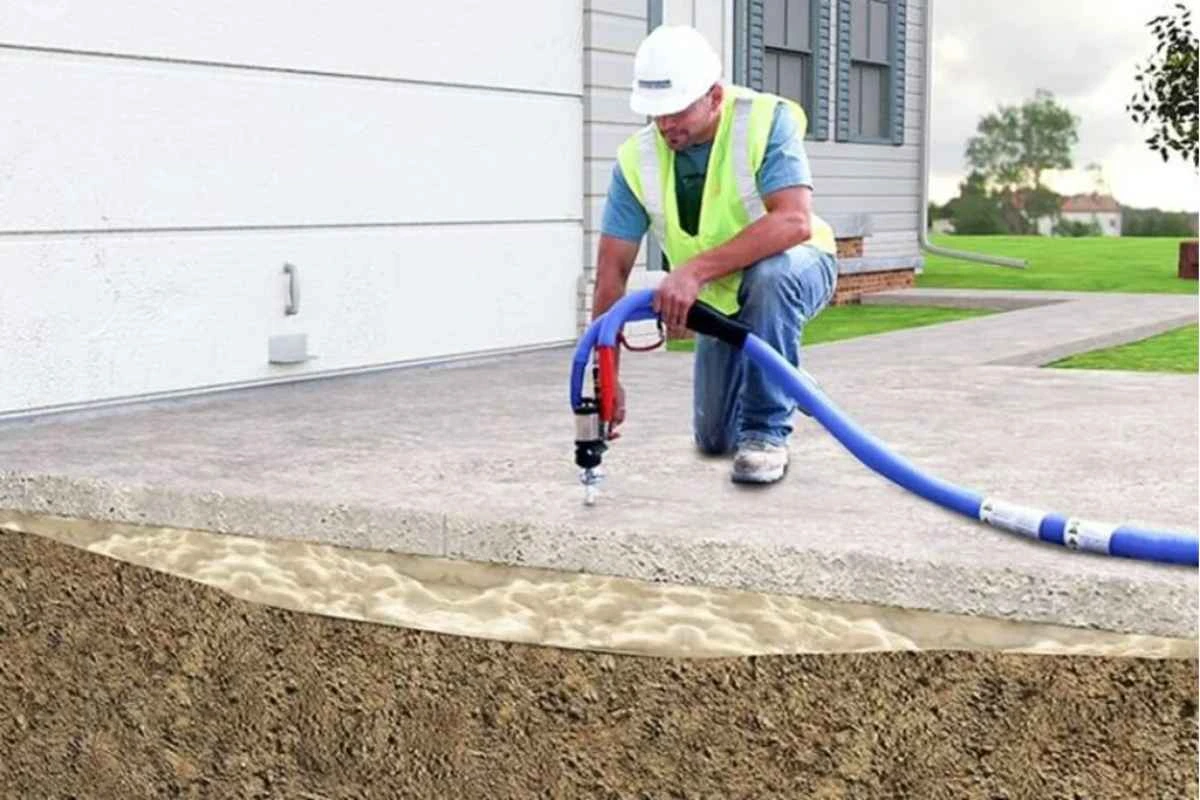
Compare driveway repair and replacement costs for asphalt and concrete, plus personal loans and contractor financing options.
Page last reviewed: October 29, 2026 · By the Home Repair Financing editorial team
Cracks, potholes and sunken spots make a driveway look worn, and over time they can spread. Sealing cracks can cost a few hundred dollars, while a new asphalt or concrete driveway often costs several thousand. For driveway financing, most homeowners use a personal loan, a paving contractor's payment plan or, for small repairs, a credit card.
Since most driveway work isn't an emergency, you usually have time to compare repair options and financing. This guide explains when crack sealing or resurfacing is enough, how asphalt and concrete compare on cost and what to check before you borrow.
Key Takeaways
You can pay for driveway work with a personal loan, a paving company's financing, a credit card or a home equity loan or line of credit. The best fit depends on the job size, your credit and whether you have equity in your home.
| Option | Good fit when | Watch out for |
|---|---|---|
| Unsecured personal loan | You're replacing or resurfacing the driveway and want a fixed payment without using your home as collateral | Rates and approval depend on the lender and your credit. An origination fee may be taken out of the loan, so you receive less than you borrow. |
| Paving contractor financing | The contractor offers a true 0% APR or low rate you can pay off on time | Some promos use deferred interest, which can charge interest back to the start if you miss the payoff deadline. Compare the cash price with the financed price. |
| Home equity loan or home equity line of credit (HELOC) | You're replacing a large driveway or combining it with other projects, and you have equity | Your home is collateral. HELOC rates are commonly variable, and closing costs can outweigh the savings on a smaller job. |
| 0% intro APR credit card | The job is crack sealing or patching you can pay off before the intro period ends | Any balance left after the intro period is charged the card's regular rate. |
If you have equity and a larger project, a home equity loan may offer a lower rate, but it puts your home on the line. Our guide to a personal loan vs. a HELOC walks through that trade-off.
There are three levels of driveway work. Crack sealing and patching fix small problems. Resurfacing adds a new top layer over the old driveway, which works only when the base underneath is still solid. Replacement tears out the old driveway and starts over.
| Work | Asphalt | Concrete |
|---|---|---|
| Crack sealing | $1 to $3 per linear foot for small cracks | $0.50 to $3 per linear foot, often with a $100 to $150 minimum |
| Pothole or patch | $100 to $200 cold patch, $250 to $500 hot patch | $100 to $400 per pothole |
| Sealcoating (a protective top coat) | $110 to $1,500 | Not usually needed |
| Resurfacing | $1 to $4 per sq. ft. | $3 to $5 per sq. ft. |
| Average repair job | About $2,460 | About $1,872 |
Sources: HomeAdvisor national estimates for asphalt driveway repair and concrete driveway repair. Averages include larger jobs like resurfacing, so a simple crack repair costs much less.
For asphalt, HomeAdvisor says surface cracks no wider than 1/4 inch and minor potholes can usually be repaired, and resurfacing works when the base is sound. Alligator cracking (a web of connected cracks that looks like reptile skin), deep cracks or a failing gravel base usually call for replacement.
For concrete, HomeAdvisor suggests resurfacing or replacement when damage covers more than about 25% of the surface. It says to consider replacing a concrete driveway that's more than 20 years old or has cracks wider or deeper than 1/4 inch, crumbling edges or severe sinking.
If you need a new driveway, the material is your biggest cost decision. Asphalt usually costs less up front, while concrete costs more but can last longer. Size, thickness, site prep and removal of the old driveway also affect the total.
| Factor | Asphalt | Concrete |
|---|---|---|
| Installed cost | $5 to $15 per sq. ft. | $8 to $18 per sq. ft. |
| Typical lifespan | 20 to 30 years with proper care | 50 years or more with proper thickness and care |
| Upkeep | Seal 6 to 12 months after install, then reseal every 3 to 5 years | Crack repair and cleaning; no regular sealing needed |
| Climate fit | Flexes in freeze-thaw cycles; can soften in high heat | Can crack in freezing weather; common in warmer areas |
Source: Bob Vila. Other cost guides give somewhat different ranges, and local prices vary widely.
HomeAdvisor puts full asphalt driveway replacement at about $3,000 to $10,000, and its concrete driveway guide puts the average new driveway at about $4,900. Decorative options cost more. Bob Vila says stamped concrete can add $10 to $28 per square foot, so ask for a plain finish quote too if you're trying to limit what you borrow.
Asphalt prices also tend to move with crude oil prices, Bob Vila notes, while concrete prices are more stable. If you're comparing quotes months apart, ask how long each price is good for.
Homeowners insurance may pay to repair a driveway damaged by a sudden, covered event, such as a tree that falls during a windstorm, under your policy's other structures coverage, Progressive explains. It generally won't cover wear and tear or neglect, and damage from floods, earthquakes and sinkholes is typically excluded. Your deductible applies, so compare it with the repair estimate.
Some cities require a permit for driveway work, including the section where the driveway meets the street. In Framingham, Massachusetts, for example, replacing or overlaying a driveway that connects to a city street requires a street opening permit, and changing the curb cut needs separate approval, according to the city's public works department. Ask your contractor who will pull any permit, and check HOA rules before you choose a material or color.
Your monthly payment depends on how much you borrow, your APR and how long you take to repay. The examples below show estimated payments for common driveway budgets at three example APRs.
| Loan amount (5-year term) | At 12% APR | At 20% APR | At 28% APR |
|---|---|---|---|
| $3,000 | $67/mo, $1,004 interest | $79/mo, $1,769 interest | $93/mo, $2,604 interest |
| $5,000 | $111/mo, $1,673 interest | $132/mo, $2,948 interest | $156/mo, $4,341 interest |
| $10,000 | $222/mo, $3,347 interest | $265/mo, $5,896 interest | $311/mo, $8,681 interest |
These are example APRs to show how your rate changes the cost, not current offers. Personal loan APRs vary widely by lender and credit. Examples assume a fixed rate and no fees, rounded to the nearest dollar, and an origination fee would raise your actual cost.
Since driveway work can usually wait a few months, saving part of the cost first can shrink your loan and your interest. Our credit score requirements guide explains what affects the rate you're offered.
Use the calculator below to estimate your monthly payment and total interest. Enter the amount you plan to borrow, an estimated APR and a repayment term. Your actual loan offer may include different rates or fees.
Your Estimate
Monthly Payment
This calculator gives estimates only. It isn't a loan offer or a promise to lend. Your actual APR, loan amount and terms depend on the lender's review of your credit and income, and limits vary by state. The slider ranges are for estimating and don't reflect what lenders offer.
Powered by: Home Repair Financing
Home repair grants rarely cover driveways, but you can often stretch the life of the one you have. Staging the work lets you pay for small fixes now and save toward a bigger project.
If a broken driveway or walkway is a fall risk for an older or disabled person in your home, programs for accessibility repairs may help. See our guide to senior home repair loans and programs.
Watch for "Guaranteed Approval"
Legitimate lenders won't promise or guarantee you a loan before you apply, the FTC warns, and no real lender will say that paying a fee guarantees you'll get one. If someone wants a fee up front before granting the loan, walk away. Learn more about how to spot home repair scams.
Related Resources
Yes, in most cases. Common options include a personal loan, financing from the paving contractor and a home equity loan or HELOC if you have equity. Approval and rates depend on the lender and your credit.
Asphalt usually costs less to install. Concrete costs more up front but can last longer and needs less regular sealing. Your climate and how long you plan to stay in the home can tip the decision.
Resurfacing is usually much cheaper, but it only works when the base underneath is solid. If the driveway is sinking, has widespread cracks or the base has failed, a new top layer won't last.
It depends on the lender and the type of financing. Personal loans often run a few years, while home equity loans can stretch longer and paving company plans may be shorter. A longer term lowers the payment but raises the total interest you pay.
Cost guides commonly estimate about 20 years or more for asphalt with regular sealing, and longer for a well-built concrete driveway. Climate, drainage and upkeep all affect lifespan.
Usually not, if the cracks come from age, weather or wear. Insurance may help when a covered event, like a tree falling in a windstorm, damages the driveway, minus your deductible.
It depends on your city or county. Some require a permit, including for work where the driveway meets a public street or for changes to the curb cut. Ask your local public works or building department before work starts.
There's no single minimum. Each lender sets its own requirements, and many personal loan lenders look for a score of about 580 or higher, according to Bankrate. A higher score usually means a lower rate.
Possibly, but expect higher rates and fewer choices. Some lenders work with lower scores, and a co-signer may help. Sealing cracks or resurfacing instead of replacing can shrink how much you need to borrow.
We use cost guides, insurance resources and local government sources to explain driveway costs and financing. Cost estimates are national averages and vary by home and region. Our payment examples are estimates, not loan offers. Rates and local rules can change.
See what loan options may be available for your driveway repair or replacement. It's free to submit a request, and you don't have to accept any offer. If you're matched, a participating lender may contact you directly and will set its own eligibility, rates, fees and funding time.
This page was written with the help of AI tools and reviewed and fact-checked by the Home Repair Financing editorial team.